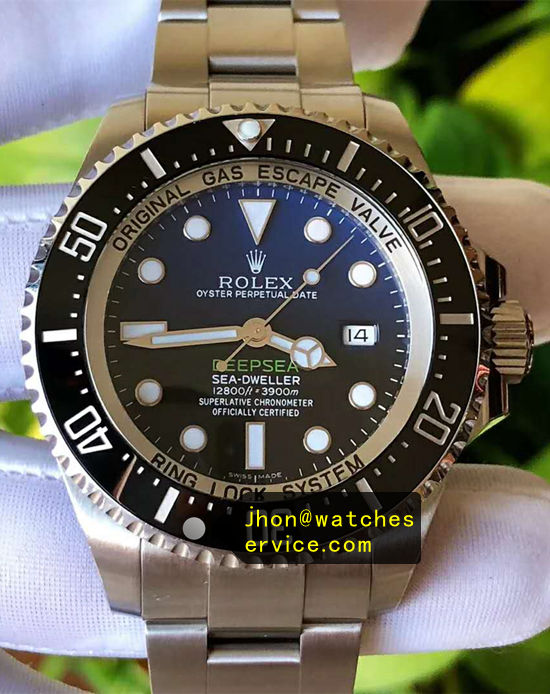
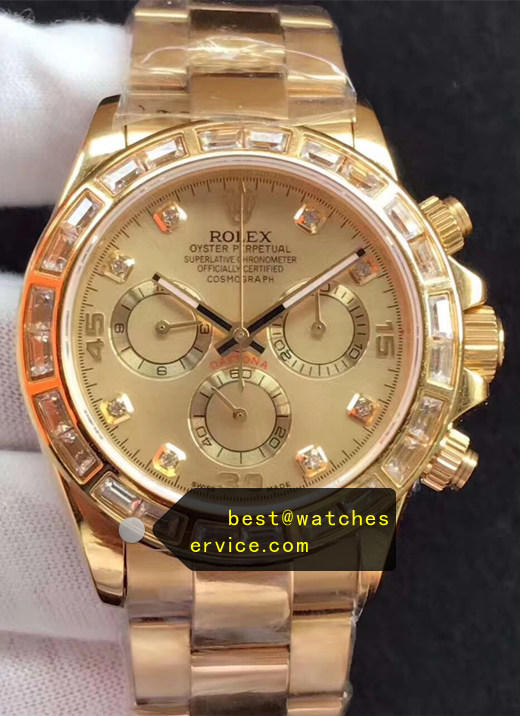
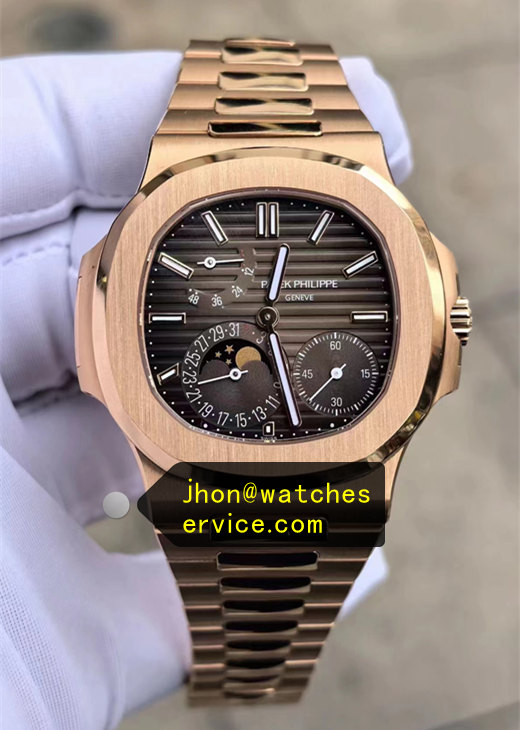
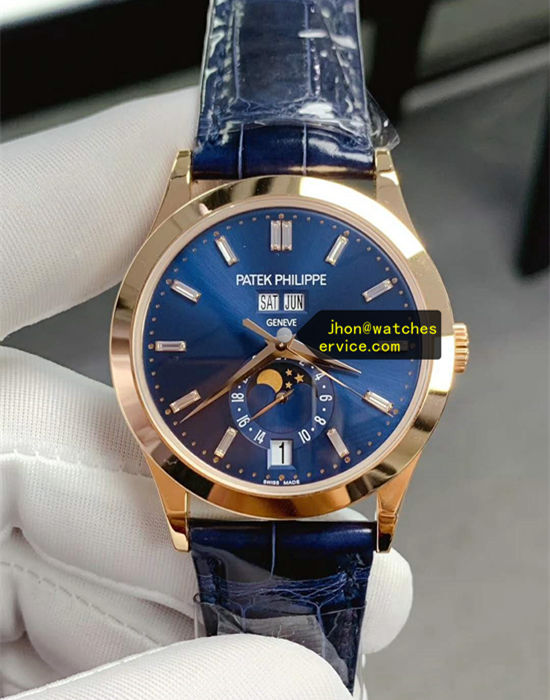
super clone watches
These timepieces represent the pinnacle of the replica watch industry, boasting top-tier craftsmanship and meticulous attention to detail—even matching the weight of the genuine articles exactly. The creation of a premium replica, from production to sale, takes between two and six months; rigorous quality control ensures they stand as the world's finest super clone watches.
The production process of super clone watches
About the Factories:
The production of super clone watches cannot be handled independently by a single factory; instead, it relies on the collaborative effort of several different facilities.
Central to this process is the project initiator. These initiators first forecast market trends and select the specific watch models to replicate; they then purchase authentic watches from authorized retailers and completely disassemble them.
Various components—such as movements, cases, bracelets, dials, and packaging—are sent to specialized manufacturers (e.g, movement factories, case factories, etc.) to create molds based on the originals. Finally, the initiator gathers all these components and hands them over to an assembly factory for final construction.
Consequently, the factories frequently discussed online—such as Clean, VS, ZF, APS, and BBR—are actually just assembly plants. Behind them stand various project initiators, and these assembly plants do not sell directly to the public.
The manufacturers producing specific components for super clone watches are typically legitimate, established factories. The parts they produce never bear any brand logos; their role is simply to create exact replicas based on the specifications provided by the project initiators. They represent just one link in the production chain and do not rely solely on super clone watch components for their survival, as they also fulfill orders for other watch brands.
Leveraging the technical expertise of these legitimate component manufacturers, the pace of innovation in super clone watch parts is incredibly rapid—sometimes even surpassing that of certain Swiss brands. This is particularly evident in the evolution of case materials; they are capable of working with everything from stainless steel, titanium, and bronze to ceramics and carbon fiber.
About the Movements:
These are based on ETA designs; "raw" (unfinished) Seagull movements are modified, finished, and branded with the manufacturer's logo.
Three specific Seagull movements dominate the high-end replica market: the ST18 (replicating the ETA 2892 structure), the ST21 (replicating the ETA 2824), and the ST3600 (replicating the ETA 6497).
Just like the component suppliers mentioned earlier, Seagull never supplies movements pre-branded with specific watch brand logos to the creators of "super clone" watches; these modifications and final assembly steps must be performed independently.
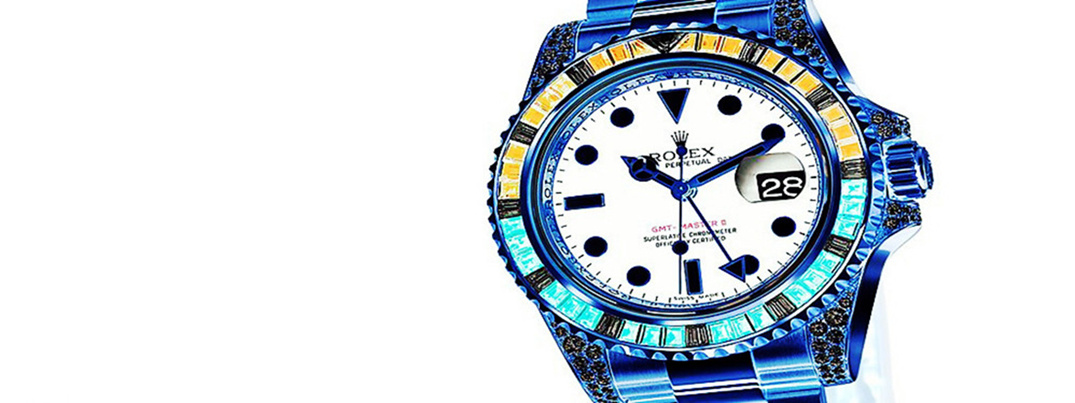
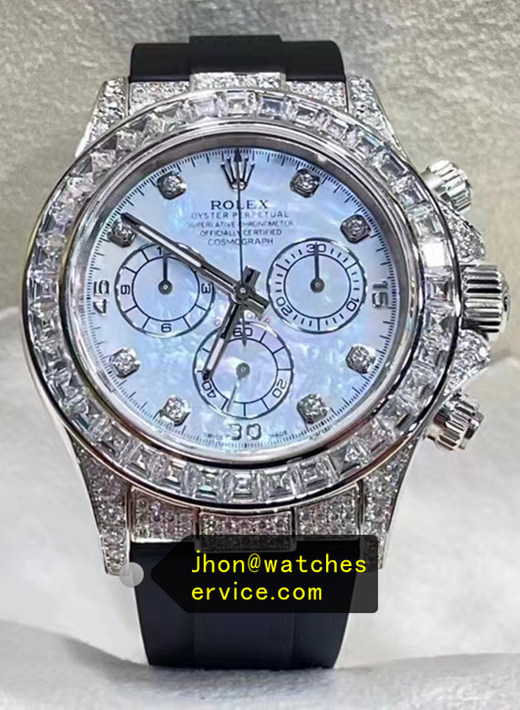
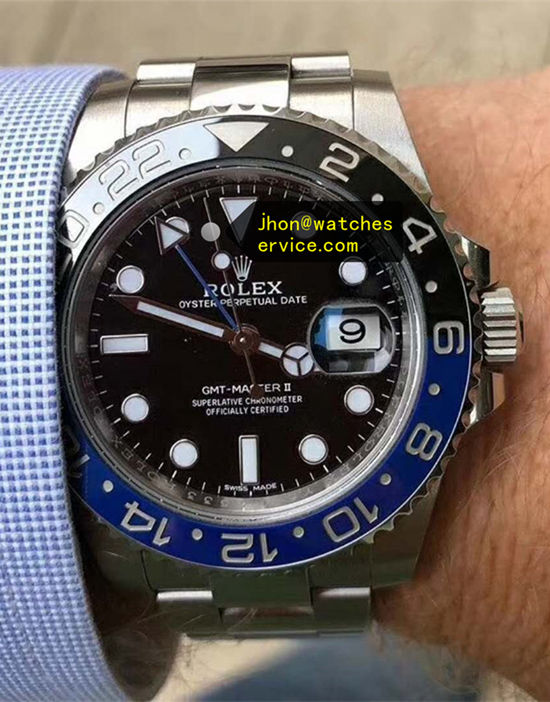
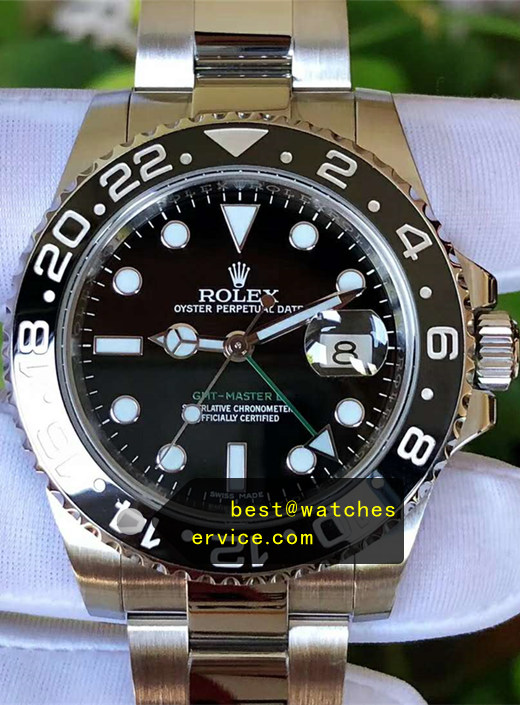
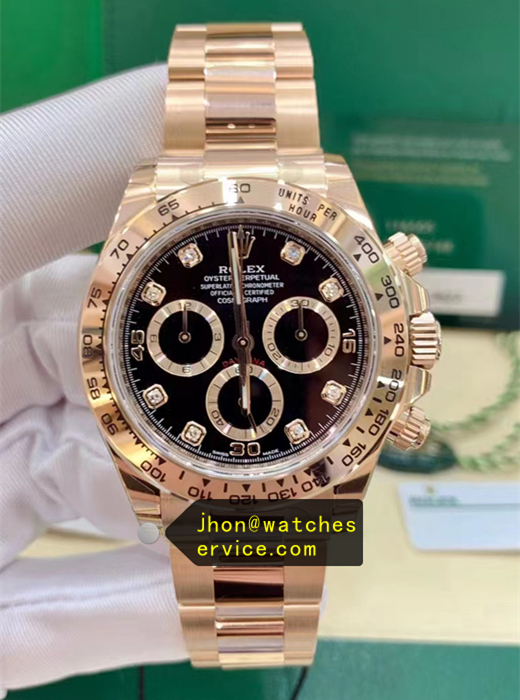
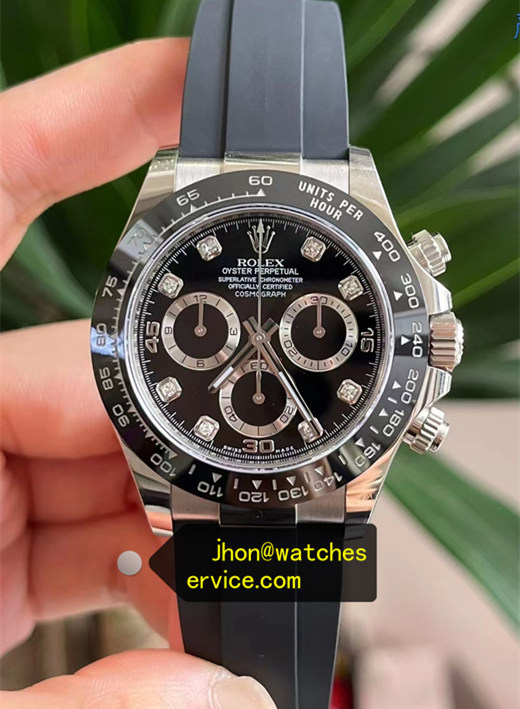
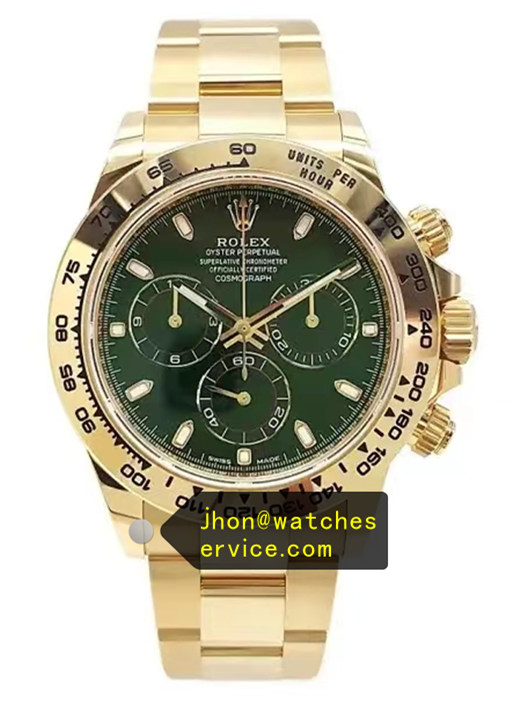
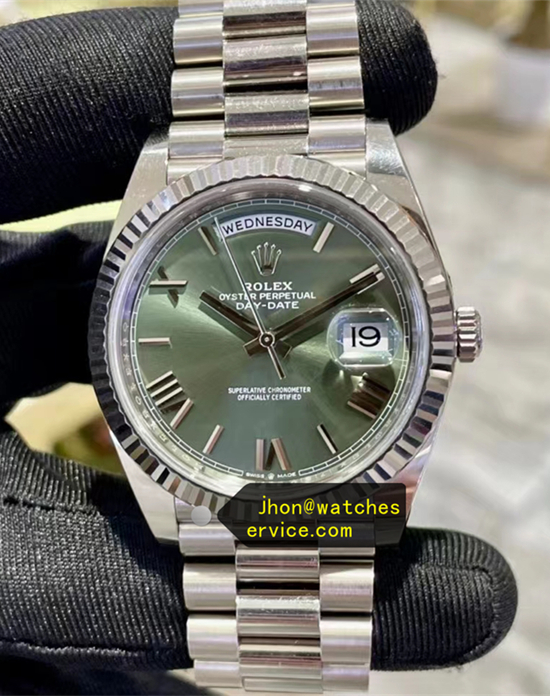
Common movements for Super Clone Rolexes include the Dandong 3235, 3230, and 3135, as well as custom 4130 movements (essential for the Daytona chronograph series) and custom 3285 movements (essential for GMT dual-time models). These custom movements offer the highest quality, stability, and precision.
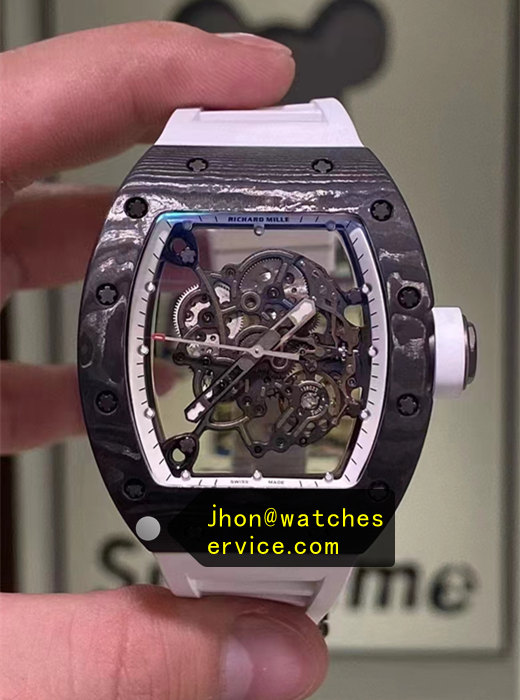
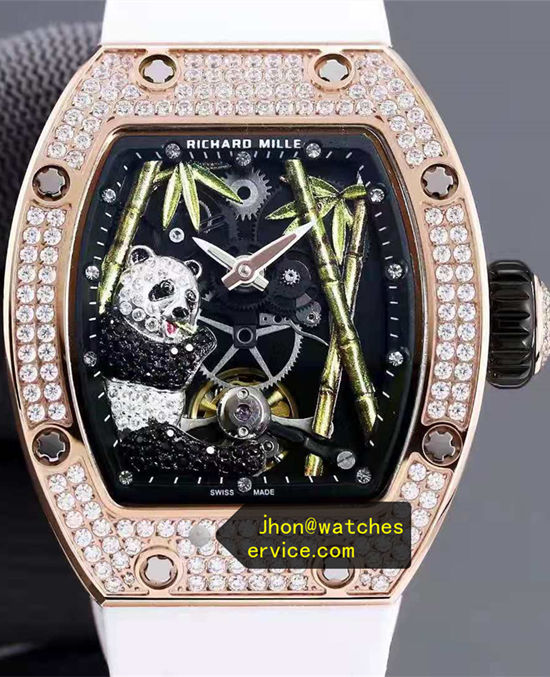
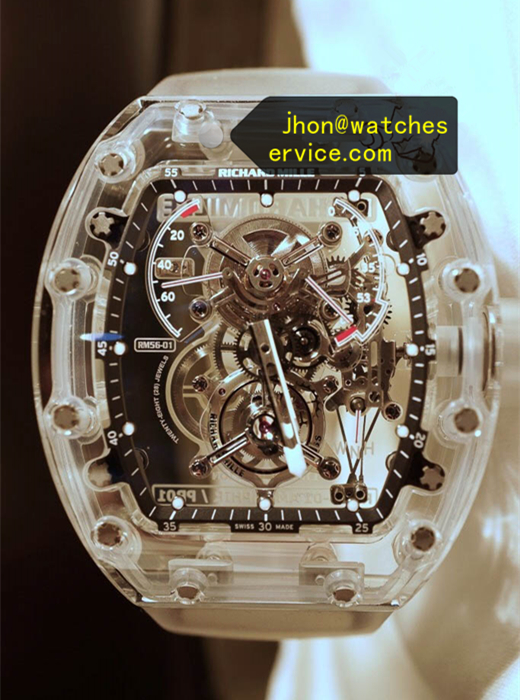
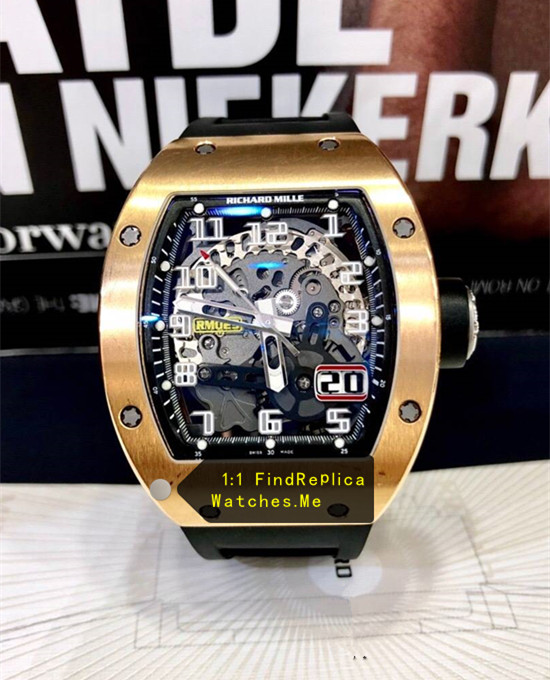
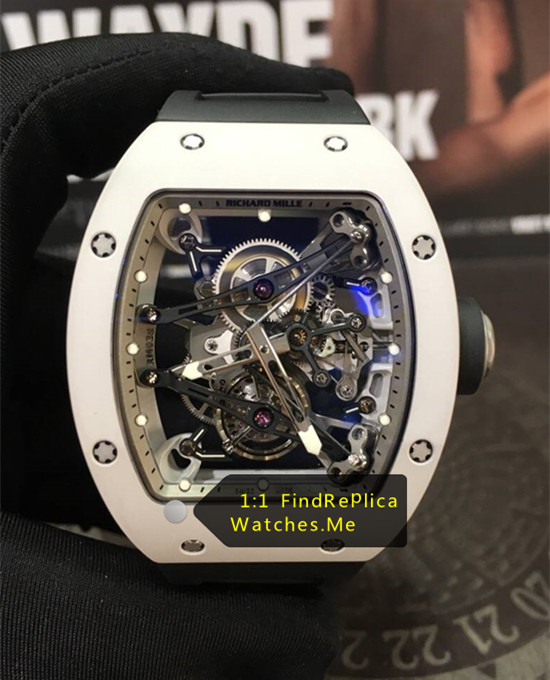
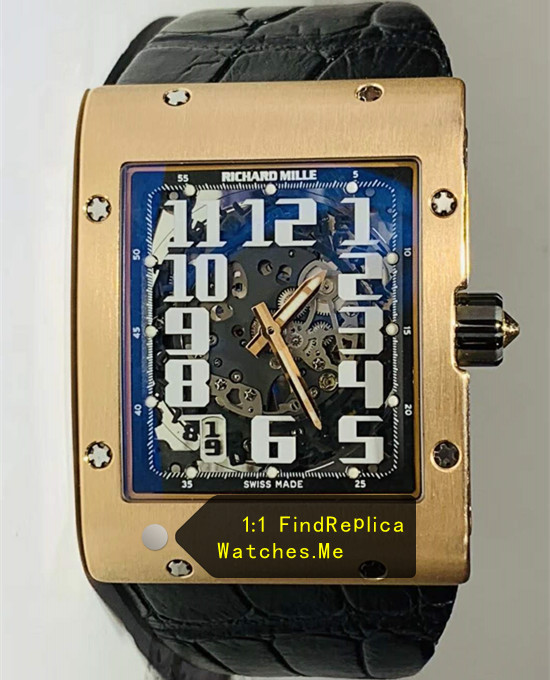
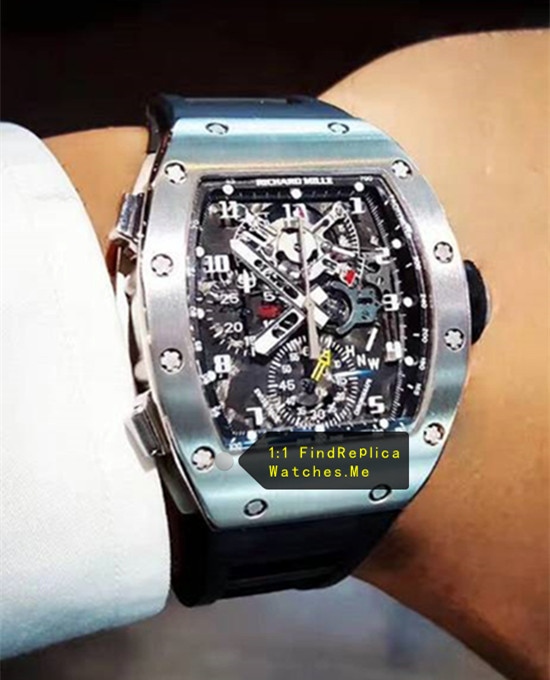
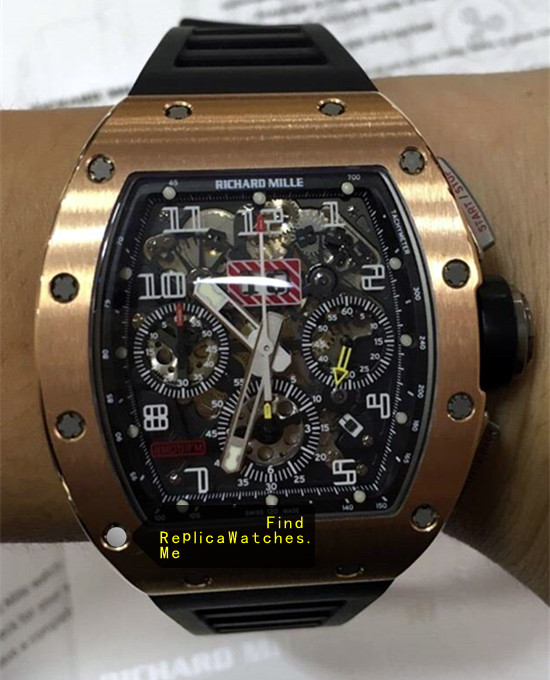
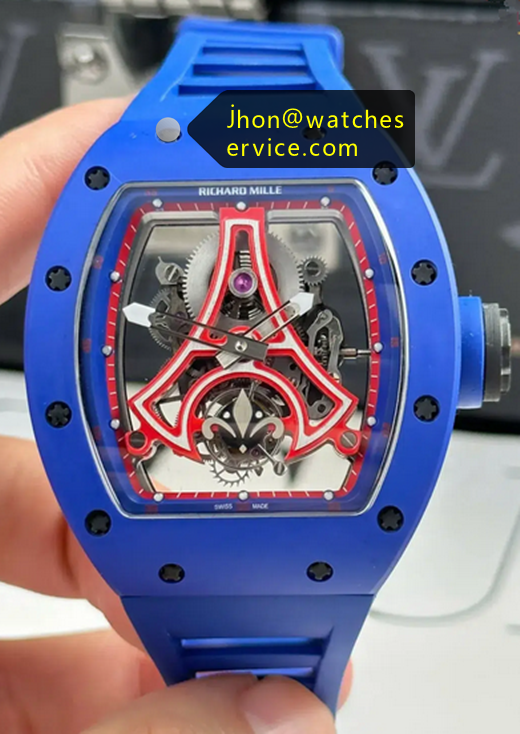
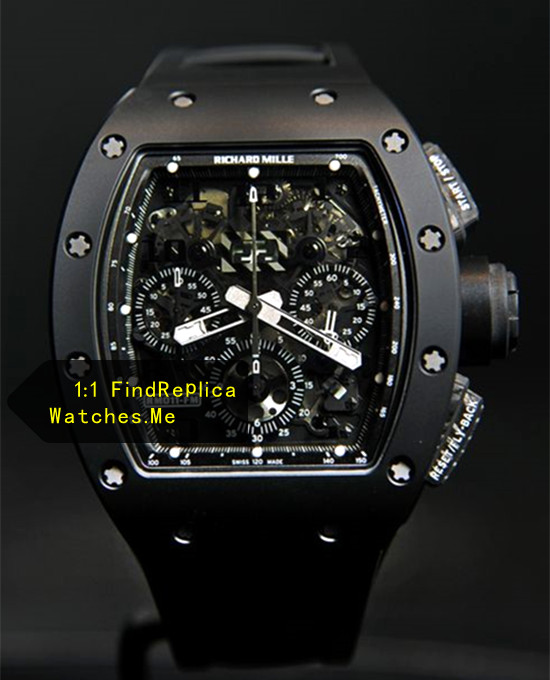
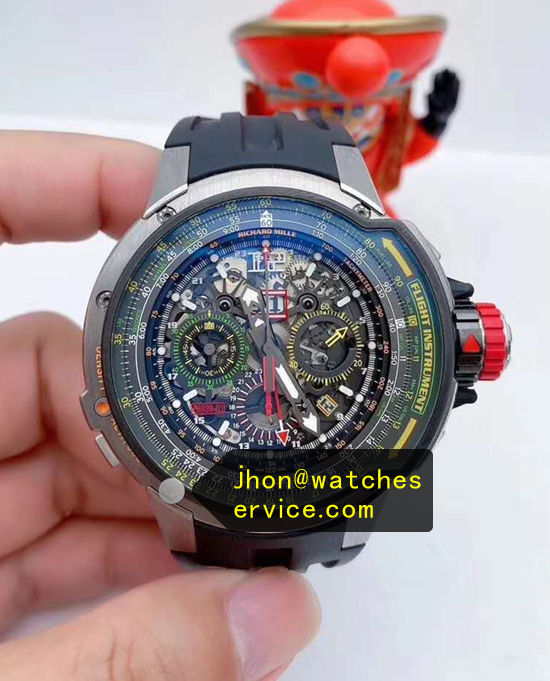
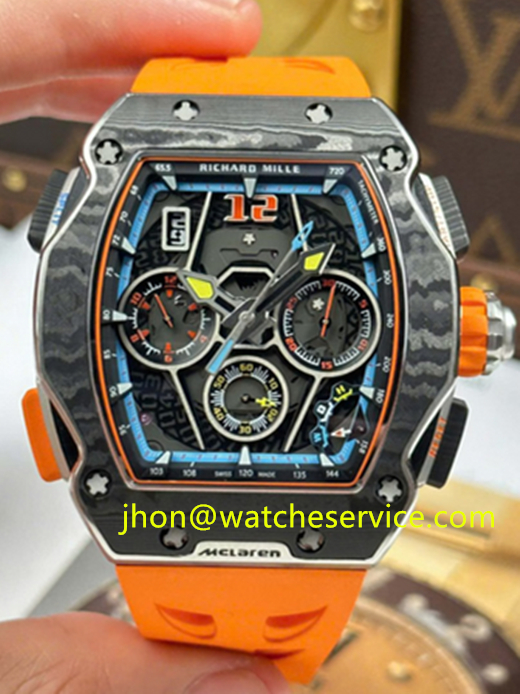
Super Clone Richard Mille movements: These are created by dismantling and reverse-engineering genuine RM movements, ensuring highly accurate reproduction of bridge patterns, balance wheel positioning, and shock absorber styles. Some custom models utilize imported Swiss Sellita SW200 or SW300 movements, while models like the RM 055 and RM 35 feature dedicated, integrated tourbillon movements designed specifically for replicas.
Super clone watches can now feature Geneva stripes (Côtes de Genève) finished to match the genuine articles. However, this increases production costs, so not all replica watches undergo this finishing process.
Case, Strap, and Dial:
As previously mentioned, these components arrive without logos; the final step involves printing the lettering on the case, strap, and dial. Since legitimate manufacturers will not accept such orders,
many standard replicas rely on small workshops for logo printing—an area where flaws are most easily exposed. In contrast, "Super Clone" watches utilize custom-designed fonts and engage professional factories willing to handle such printing privately.
About SuperCloneWatches.io:
In our evaluation system at SuperCloneWatches.io, the aforementioned factories—Clean, VS, ZF, APS, and BBR—do not actually produce the absolute pinnacle of super clone watches; each factory and version has its own inherent flaws.
Our role is to take these watches and perform further upgrades. As a private watch studio with 20 years of experience, we possess the capability to strive for perfection.
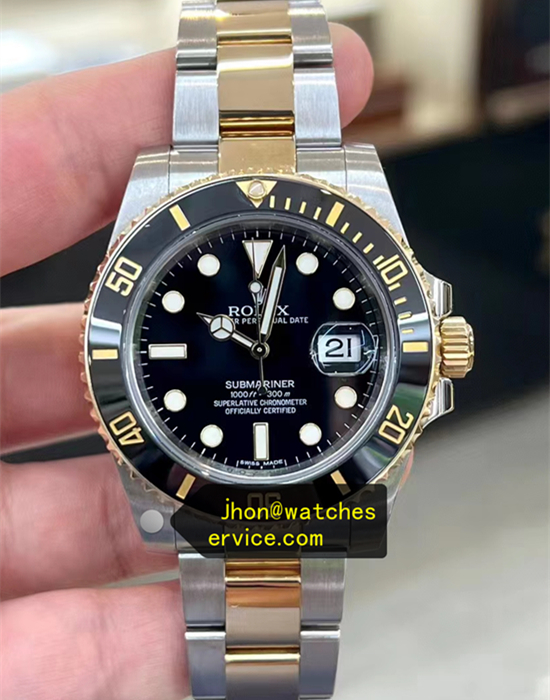
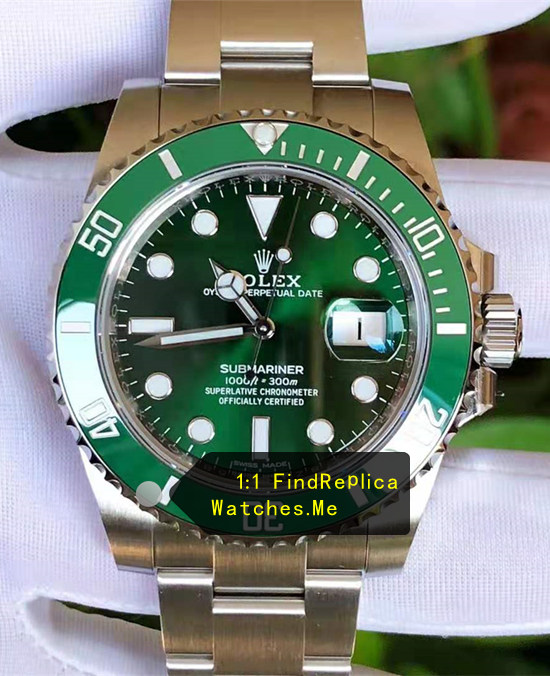
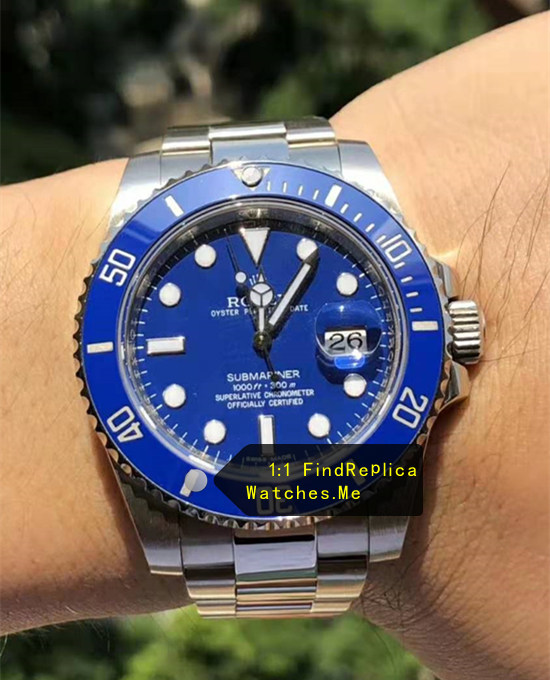
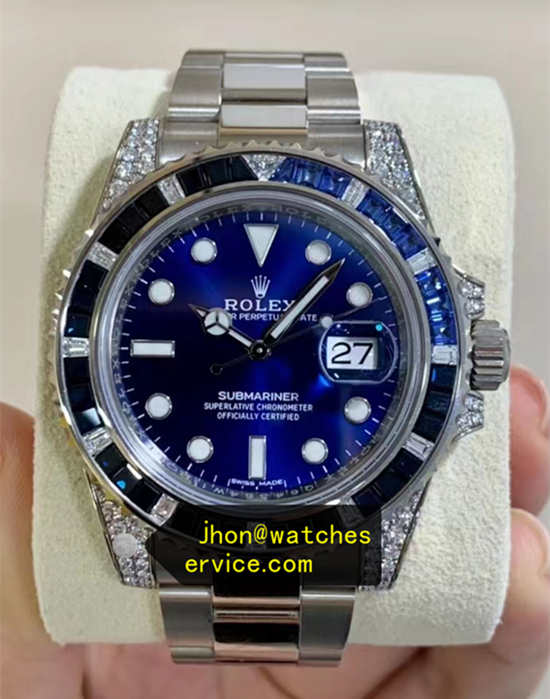
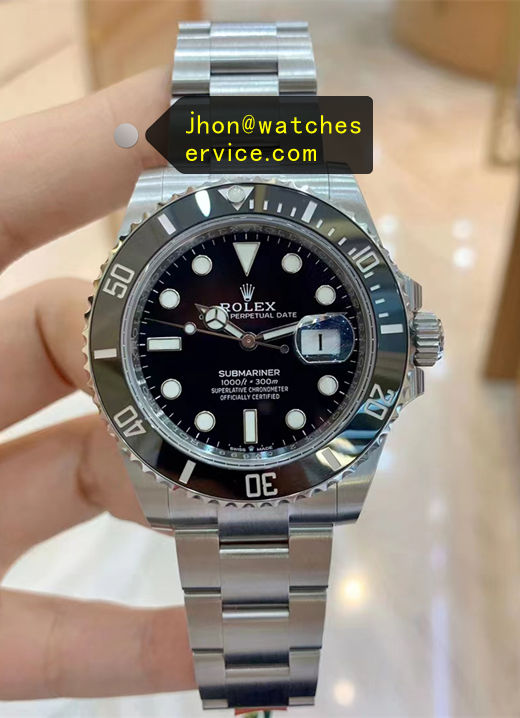
Take, for example, the precious-metal Rolex models produced by factories like Clean or VS; they often fall short in weight. Upon receiving these watches, we add weight to the case and bracelet to match that of a genuine Rolex. We also refinish the factory-applied luminous coating, which is often uneven. Regarding movements—such as the Dandong 3135 or the upgraded 3235 used in the Submariner series—the standard power reserve is usually 60 hours, and long-term stability is often lacking; we upgrade and refine them to ensure a stable power reserve of approximately 72 hours.
When we acquire Richard Mille (RM) models from the BBR factory, we further upgrade and modify the details to ensure the wearing experience closely mirrors that of a genuine RM. For instance, we reduce the weight of the titanium case and replace the shock-absorber jewels with white ones (the BBR version uses red, whereas the genuine RM uses white). We also adjust the gear sizes—correcting the gear at the 12 o'clock position (which is typically too large) and the one at the 10 o'clock position (which is too small)—and extend the power reserve to 55–70 hours (compared to the BBR version's 38–42 hours).
The mission of the SuperCloneWatches.io team is clear: we are not merely retailers of products from factories like Clean, VS, ZF, APS, and BBR—we are the ones who upgrade and refine them.